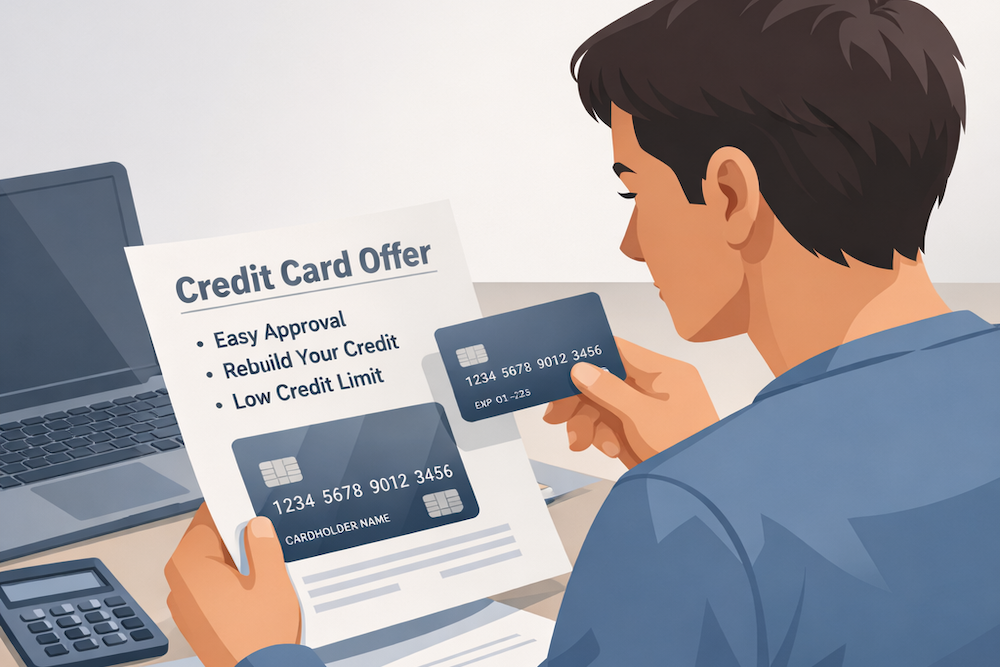
A low credit score can feel like a financial dead end. You need credit to build credit, but nobody wants to give you credit because your score isn’t high enough. It’s a frustrating catch-22 that millions of Americans face every day. The good news? The credit card landscape has evolved significantly in recent years, and legitimate options now exist for people with challenged credit histories. These aren’t predatory products designed to trap you in debt—they’re actual tools that can help you rebuild your financial standing while meeting your everyday spending needs.
Why Bad Credit Doesn’t Mean No Credit Options
The credit card industry has undergone a quiet revolution over the past decade. Traditional banks once dominated the space, but fintech companies and digital-first lenders have disrupted the market. They use alternative data points and machine learning algorithms to assess creditworthiness beyond just your FICO score. This shift has created genuine opportunities for people with poor credit.
Major credit card issuers now recognize that bad credit doesn’t necessarily mean bad character or financial irresponsibility. Life happens. Medical emergencies, job losses, divorces, and other unexpected events can tank your credit score through no fault of your own. The Consumer Financial Protection Bureau has pushed for more inclusive lending practices, and many lenders have responded by creating products specifically designed for credit rebuilding. These cards come with reasonable terms and transparent fee structures that comply with modern consumer protection regulations.
The digital transformation of banking has also made it easier to apply for and manage these cards. You can compare offers online, submit applications from your phone, and track your credit score improvement in real-time through mobile apps. This transparency helps you stay informed about your progress and make better financial decisions. The days of predatory subprime credit cards with hidden fees and sky-high interest rates haven’t completely disappeared, but they’re far less common than they were before the CARD Act of 2009 tightened industry regulations.
Understanding Your Credit Situation
Before you apply for any credit card, you need to know where you stand. Credit scores typically range from 300 to 850. Most lenders consider scores below 580 as poor credit, while scores between 580 and 669 fall into the fair category. You can check your credit report for free at AnnualCreditReport.com, the only federally authorized source for free credit reports.
Review your report carefully for errors. The Federal Trade Commission estimates that one in five consumers has an error on at least one credit report. Disputing inaccuracies can quickly boost your score without any other action. Look for accounts that don’t belong to you, incorrect payment histories, or outdated negative information that should have dropped off after seven years.
Your credit utilization ratio matters tremendously when rebuilding credit. This ratio represents how much credit you’re using compared to your total available credit. Financial experts recommend keeping this below 30%, but staying under 10% is even better. Even a small credit limit can help if you use it responsibly and pay it off regularly.
How Secured Cards Help Rebuild Your Score
Secured credit cards represent the most accessible path to credit rebuilding for most people with bad credit. These cards require a cash deposit that typically becomes your credit line. If you deposit $500, you usually get a $500 credit limit. This security deposit protects the card issuer from risk, which is why they’re willing to approve applicants with poor credit histories.
Don’t confuse secured cards with prepaid debit cards. Secured cards are real credit cards that report to the major credit bureaus—Experian, Equifax, and TransUnion. Every on-time payment you make gets reported to these bureaus and helps rebuild your credit history. Prepaid cards don’t report to credit bureaus at all, so they won’t help your score improve. The distinction is crucial when you’re trying to rebuild credit.
Many secured cards now offer a path to upgrade to an unsecured card. After demonstrating responsible use for six to twelve months, some issuers will review your account and potentially convert it to a traditional credit card. They’ll return your security deposit and may even increase your credit limit. This progression gives you something concrete to work toward while you rebuild your financial foundation.
Choosing the Right Secured Card
Not all secured cards are created equal. Some charge annual fees ranging from $25 to $95, while others have no annual fee at all. The Discover it® Secured Card and Capital One Platinum Secured Credit Card both offer no annual fee options with reasonable terms. These cards also provide free access to your credit score, helping you monitor your progress.
Look for secured cards that report to all three credit bureaus. Some cards only report to one or two bureaus, which limits their effectiveness for credit rebuilding. You want your responsible payment behavior reflected across all three reports since different lenders pull from different bureaus. This comprehensive reporting maximizes your credit improvement efforts.
Consider the minimum deposit requirement carefully. Some cards require as little as $200, while others ask for $500 or more. Choose an amount you can afford without straining your emergency fund. Remember that this deposit ties up your cash until you upgrade to an unsecured card or close the account in good standing.
Using Your Secured Card Strategically
The key to rebuilding credit with a secured card is treating it like a debit card. Charge only what you can pay off in full each month. This approach keeps your credit utilization low and avoids interest charges. Many people use their secured card for a single recurring bill, like a streaming subscription or phone payment, then set up automatic payments to ensure they never miss a due date.
Payment timing matters more than you might think. Your issuer reports your balance to credit bureaus on a specific date each month, usually your statement closing date. If possible, pay down your balance before this reporting date to show lower utilization. This strategy can accelerate your credit score improvement even if you pay the remaining balance before the due date to avoid interest.
Set up account alerts through your card’s mobile app. These notifications can remind you of upcoming due dates, alert you to unusual charges, and help you stay on top of your account activity. This proactive approach prevents the late payments that would undermine your credit rebuilding efforts. Consistency is everything when you’re working to improve your credit score.
Alternative Options Worth Considering
Credit-builder loans offer another path to improving your credit without a traditional credit card. These small loans, typically offered by credit unions and community banks, work in reverse. The lender holds your loan amount in a savings account while you make monthly payments. Once you’ve paid off the loan, you receive the money. All your payments get reported to credit bureaus, building positive payment history.
Becoming an authorized user on someone else’s credit card can also help. If you have a family member or close friend with excellent credit and responsible habits, they can add you to their account. Their positive payment history gets added to your credit report. This strategy carries risks for both parties, so only pursue it with someone you trust completely and who trusts you.
Some fintech companies now offer alternative credit cards that consider factors beyond your credit score. Petal, for example, looks at your income and spending patterns through bank account analysis. These cards typically don’t require a security deposit but may have lower initial credit limits. They represent an emerging middle ground between secured and traditional unsecured cards.
Bad credit doesn’t have to be a permanent condition. With secured cards, credit-builder loans, and emerging fintech options, you have real tools to rebuild your financial reputation. The journey takes time—usually at least six months to see significant improvement—but the path forward exists. Focus on consistent, on-time payments, keep your credit utilization low, and monitor your progress regularly. The credit card landscape has changed for the better, creating opportunities that genuinely help people recover from past financial setbacks. Your bad credit is a chapter in your financial story, not the whole book.
References
- Consumer Financial Protection Bureau. “What is a credit card?” CFPB. https://www.consumerfinance.gov/ask-cfpb/what-is-a-credit-card-en-43/
- Federal Trade Commission. “Free Credit Reports.” FTC Consumer Information. https://consumer.ftc.gov/articles/free-credit-reports
- NerdWallet. “Best Secured Credit Cards.” NerdWallet. https://www.nerdwallet.com/best/credit-cards/secured
A low credit score can feel like a financial dead end. You need credit to build credit, but nobody wants to give you credit because your score isn’t high enough. It’s a frustrating catch-22 that millions of Americans face every day. The good news? The credit card landscape has evolved significantly in recent years, and legitimate options now exist for people with challenged credit histories. These aren’t predatory products designed to trap you in debt—they’re actual tools that can help you rebuild your financial standing while meeting your everyday spending needs.
Why Bad Credit Doesn’t Mean No Credit Options
The credit card industry has undergone a quiet revolution over the past decade. Traditional banks once dominated the space, but fintech companies and digital-first lenders have disrupted the market. They use alternative data points and machine learning algorithms to assess creditworthiness beyond just your FICO score. This shift has created genuine opportunities for people with poor credit.
Major credit card issuers now recognize that bad credit doesn’t necessarily mean bad character or financial irresponsibility. Life happens. Medical emergencies, job losses, divorces, and other unexpected events can tank your credit score through no fault of your own. The Consumer Financial Protection Bureau has pushed for more inclusive lending practices, and many lenders have responded by creating products specifically designed for credit rebuilding. These cards come with reasonable terms and transparent fee structures that comply with modern consumer protection regulations.
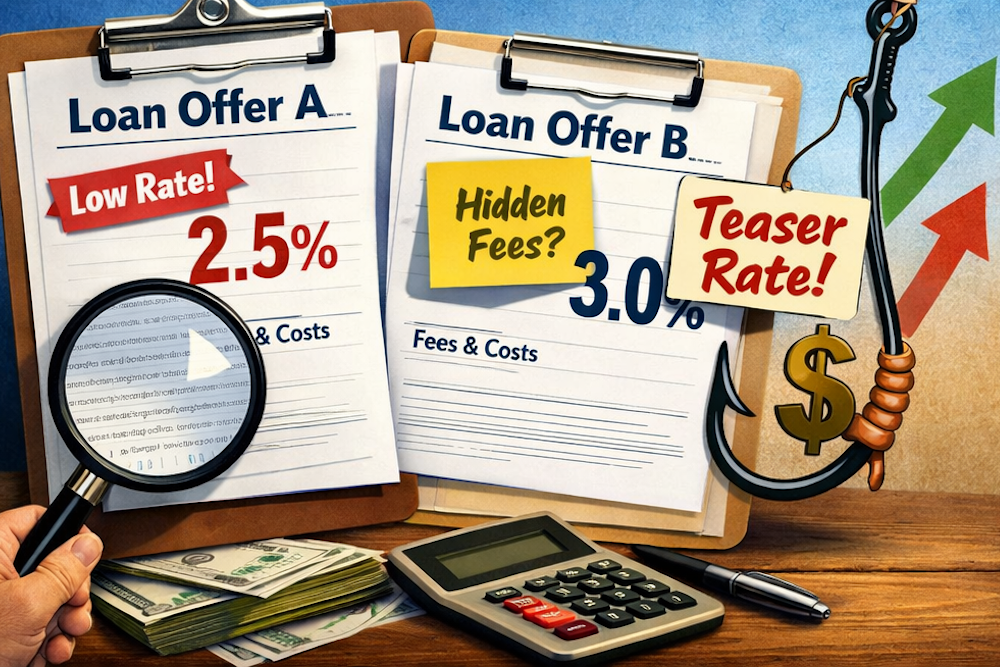
The digital transformation of banking has also made it easier to apply for and manage these cards. You can compare offers online, submit applications from your phone, and track your credit score improvement in real-time through mobile apps. This transparency helps you stay informed about your progress and make better financial decisions. The days of predatory subprime credit cards with hidden fees and sky-high interest rates haven’t completely disappeared, but they’re far less common than they were before the CARD Act of 2009 tightened industry regulations.
Understanding Your Credit Situation
Before you apply for any credit card, you need to know where you stand. Credit scores typically range from 300 to 850. Most lenders consider scores below 580 as poor credit, while scores between 580 and 669 fall into the fair category. You can check your credit report for free at AnnualCreditReport.com, the only federally authorized source for free credit reports.
Review your report carefully for errors. The Federal Trade Commission estimates that one in five consumers has an error on at least one credit report. Disputing inaccuracies can quickly boost your score without any other action. Look for accounts that don’t belong to you, incorrect payment histories, or outdated negative information that should have dropped off after seven years.
Your credit utilization ratio matters tremendously when rebuilding credit. This ratio represents how much credit you’re using compared to your total available credit. Financial experts recommend keeping this below 30%, but staying under 10% is even better. Even a small credit limit can help if you use it responsibly and pay it off regularly.
How Secured Cards Help Rebuild Your Score
Secured credit cards represent the most accessible path to credit rebuilding for most people with bad credit. These cards require a cash deposit that typically becomes your credit line. If you deposit $500, you usually get a $500 credit limit. This security deposit protects the card issuer from risk, which is why they’re willing to approve applicants with poor credit histories.
Don’t confuse secured cards with prepaid debit cards. Secured cards are real credit cards that report to the major credit bureaus—Experian, Equifax, and TransUnion. Every on-time payment you make gets reported to these bureaus and helps rebuild your credit history. Prepaid cards don’t report to credit bureaus at all, so they won’t help your score improve. The distinction is crucial when you’re trying to rebuild credit.
Many secured cards now offer a path to upgrade to an unsecured card. After demonstrating responsible use for six to twelve months, some issuers will review your account and potentially convert it to a traditional credit card. They’ll return your security deposit and may even increase your credit limit. This progression gives you something concrete to work toward while you rebuild your financial foundation.
Choosing the Right Secured Card
Not all secured cards are created equal. Some charge annual fees ranging from $25 to $95, while others have no annual fee at all. The Discover it® Secured Card and Capital One Platinum Secured Credit Card both offer no annual fee options with reasonable terms. These cards also provide free access to your credit score, helping you monitor your progress.
Look for secured cards that report to all three credit bureaus. Some cards only report to one or two bureaus, which limits their effectiveness for credit rebuilding. You want your responsible payment behavior reflected across all three reports since different lenders pull from different bureaus. This comprehensive reporting maximizes your credit improvement efforts.
Consider the minimum deposit requirement carefully. Some cards require as little as $200, while others ask for $500 or more. Choose an amount you can afford without straining your emergency fund. Remember that this deposit ties up your cash until you upgrade to an unsecured card or close the account in good standing.
Using Your Secured Card Strategically
The key to rebuilding credit with a secured card is treating it like a debit card. Charge only what you can pay off in full each month. This approach keeps your credit utilization low and avoids interest charges. Many people use their secured card for a single recurring bill, like a streaming subscription or phone payment, then set up automatic payments to ensure they never miss a due date.
Payment timing matters more than you might think. Your issuer reports your balance to credit bureaus on a specific date each month, usually your statement closing date. If possible, pay down your balance before this reporting date to show lower utilization. This strategy can accelerate your credit score improvement even if you pay the remaining balance before the due date to avoid interest.
Set up account alerts through your card’s mobile app. These notifications can remind you of upcoming due dates, alert you to unusual charges, and help you stay on top of your account activity. This proactive approach prevents the late payments that would undermine your credit rebuilding efforts. Consistency is everything when you’re working to improve your credit score.
Alternative Options Worth Considering
Credit-builder loans offer another path to improving your credit without a traditional credit card. These small loans, typically offered by credit unions and community banks, work in reverse. The lender holds your loan amount in a savings account while you make monthly payments. Once you’ve paid off the loan, you receive the money. All your payments get reported to credit bureaus, building positive payment history.
Becoming an authorized user on someone else’s credit card can also help. If you have a family member or close friend with excellent credit and responsible habits, they can add you to their account. Their positive payment history gets added to your credit report. This strategy carries risks for both parties, so only pursue it with someone you trust completely and who trusts you.
Some fintech companies now offer alternative credit cards that consider factors beyond your credit score. Petal, for example, looks at your income and spending patterns through bank account analysis. These cards typically don’t require a security deposit but may have lower initial credit limits. They represent an emerging middle ground between secured and traditional unsecured cards.
Bad credit doesn’t have to be a permanent condition. With secured cards, credit-builder loans, and emerging fintech options, you have real tools to rebuild your financial reputation. The journey takes time—usually at least six months to see significant improvement—but the path forward exists. Focus on consistent, on-time payments, keep your credit utilization low, and monitor your progress regularly. The credit card landscape has changed for the better, creating opportunities that genuinely help people recover from past financial setbacks. Your bad credit is a chapter in your financial story, not the whole book.
References
- Consumer Financial Protection Bureau. “What is a credit card?” CFPB. https://www.consumerfinance.gov/ask-cfpb/what-is-a-credit-card-en-43/
- Federal Trade Commission. “Free Credit Reports.” FTC Consumer Information. https://consumer.ftc.gov/articles/free-credit-reports
- NerdWallet. “Best Secured Credit Cards.” NerdWallet. https://www.nerdwallet.com/best/credit-cards/secured

)