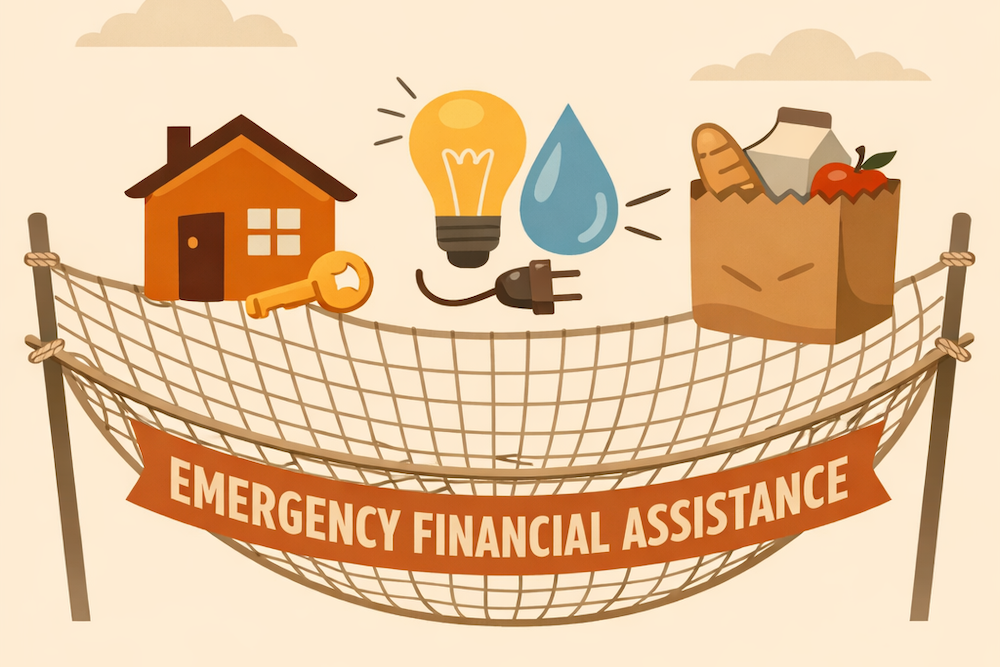
When financial emergencies strike, most Americans instinctively reach for credit cards or consider payday loans. Yet billions of dollars in emergency assistance sit unclaimed each year, waiting for people who desperately need help but don’t know these programs exist. These aren’t obscure loopholes or sketchy schemes—they’re legitimate government and nonprofit programs designed specifically for moments of crisis. The problem? Many people assume they don’t qualify, find the application process too intimidating, or simply never hear about these lifelines. Understanding what’s available could mean the difference between drowning in debt and getting back on your feet after an unexpected setback.
Why Millions Leave Free Money on the Table
The statistics are staggering. According to the National Council on Aging, approximately $30 billion in federal benefits for low-income Americans goes unclaimed annually. This isn’t money that requires repayment—it’s assistance specifically allocated to help people through tough times. Yet millions of eligible Americans never submit applications.
Several factors contribute to this massive gap between available help and actual usage. Many people hold misconceptions about eligibility requirements. They assume these programs only serve the unemployed or homeless, when in reality, working individuals facing temporary hardships often qualify. The digital divide also plays a significant role, as many assistance programs have moved online, creating barriers for those with limited internet access or digital literacy.
Pride and stigma remain powerful deterrents. Americans have been conditioned to value self-sufficiency, making it psychologically difficult to seek help even during legitimate crises. This cultural barrier costs people dearly. A medical emergency, car breakdown, or temporary job loss shouldn’t spiral into years of financial struggle when assistance programs exist specifically for these situations. Understanding that accepting temporary help isn’t failure—it’s smart financial management—represents the first step toward recovery.
The Low Income Home Energy Assistance Program (LIHEAP)
Winter heating bills or summer cooling costs can devastate household budgets. LIHEAP provides crucial assistance that many eligible families never claim. This federal program helps low- and moderate-income households pay energy bills, and it also covers weatherization improvements and emergency repairs to heating or cooling equipment.
Eligibility extends further than most people realize. While specific income limits vary by state, households earning up to 150% of the federal poverty level typically qualify. In some states, the threshold reaches 60% of the state median income. For 2024, this means a family of four earning up to $45,000 annually might qualify in certain states. The program doesn’t just cover the unemployed—working families struggling with high utility costs often meet requirements.
The application process has become increasingly streamlined through digital transformation initiatives. Many states now offer online applications through integrated portals that connect multiple assistance programs. Some utility companies partner directly with LIHEAP, allowing customers to apply through their existing account dashboards. Despite these improvements, the Consumer Federation of America reports that only about 20% of eligible households actually receive LIHEAP benefits. That means millions of families pay full price for utilities when help is readily available.
Emergency Food Assistance Beyond Food Banks
Food insecurity affects more Americans than most realize, particularly during economic downturns or personal financial crises. While food banks provide valuable help, other programs offer more comprehensive, ongoing support that people frequently overlook. The Supplemental Nutrition Assistance Program (SNAP), formerly known as food stamps, serves as the primary safety net, yet participation rates reveal that many eligible individuals never apply.
SNAP benefits now load onto Electronic Benefit Transfer (EBT) cards that work like debit cards at grocery stores. This fintech integration has reduced stigma while improving accessibility. Recent regulatory changes have expanded eligibility and increased benefit amounts, particularly for college students and working adults without children. The average benefit provides about $195 per person monthly, though amounts vary based on household size and income.
Beyond SNAP, programs like the Emergency Food Assistance Program (TEFAP) and the Commodity Supplemental Food Program (CSFP) provide additional resources. TEFAP distributes USDA foods to food banks and pantries, while CSFP specifically serves low-income seniors. Many states have also launched pandemic-era programs that continue today, offering grocery delivery services and farmers market vouchers. These digital solutions address both food insecurity and mobility challenges. Checking your state’s Department of Health and Human Services website reveals specific programs available in your area.
Utility Assistance and Crisis Intervention Programs
Beyond heating assistance, numerous programs help with other utility emergencies. Most utility companies operate hardship programs that can prevent disconnections, arrange payment plans, or provide one-time grants. These company-specific programs often require nothing more than a phone call and explanation of your situation.
The Federal Communications Commission’s Lifeline program provides another frequently overlooked benefit. It offers discounted phone and internet service to qualifying low-income consumers. In our increasingly digital world, internet access isn’t a luxury—it’s essential for job searching, accessing telehealth services, and managing finances. Lifeline provides up to $9.25 monthly toward phone or internet bills, with enhanced benefits on tribal lands.
State-specific crisis intervention programs add another layer of support. California’s LifeLine program, for instance, differs from the federal version and provides additional discounts. New York’s Home Energy Assistance Program offers crisis benefits separate from regular LIHEAP. These state programs reflect how regulatory changes at local levels create opportunities that federal programs don’t cover. Researching your specific state’s Public Utilities Commission website unveils programs tailored to your region’s needs and climate challenges.
Healthcare and Prescription Assistance Programs
Medical emergencies create financial catastrophes for millions of Americans annually. Yet numerous assistance programs exist specifically for healthcare costs. Medicaid expansion under the Affordable Care Act now covers adults in 40 states, with income limits reaching 138% of the federal poverty level. That’s roughly $20,120 for individuals or $41,400 for a family of four in 2024.
Many people don’t realize they might qualify for retroactive Medicaid coverage. Some states cover medical bills from up to three months before application approval. This provision can eliminate overwhelming medical debt from emergency room visits or urgent procedures. Patient advocacy organizations can help navigate these applications, and many hospitals employ financial counselors who assist with enrollment at no charge.
Prescription assistance programs represent another underutilized resource. Pharmaceutical companies operate Patient Assistance Programs (PAPs) that provide free or low-cost medications to qualifying individuals. Organizations like NeedyMeds and RxAssist maintain searchable databases of these programs. Additionally, the Extra Help program assists with Medicare prescription drug costs, potentially saving beneficiaries thousands annually. Many seniors who qualify never apply, leaving substantial savings unclaimed.
Moving Forward: Taking Action on Available Assistance
The integration of fintech solutions has simplified access to many assistance programs. States increasingly use unified portals where one application screens for multiple programs simultaneously. This technological advancement reduces paperwork and eliminates the need to navigate numerous agencies separately. Websites like Benefits.gov allow users to answer questions about their situation and receive personalized lists of programs for which they might qualify.
Don’t let pride or assumptions about eligibility prevent you from exploring these resources. Financial hardship can happen to anyone, and these programs exist precisely for such moments. Start by visiting your state’s Department of Health and Human Services website or calling 211, a nationwide hotline connecting people with local resources. Many community action agencies also provide free application assistance.
Remember that applying doesn’t guarantee approval, but not applying guarantees you’ll receive nothing. The worst outcome is hearing “no”—the best outcome could provide the breathing room you need to regain financial stability. In an increasingly digital financial landscape, knowing how to access these consumer protections and services represents essential financial literacy. These programs form part of your broader financial toolkit, alongside emergency funds and insurance, protecting you when unexpected challenges arise.
Emergency financial assistance programs offer crucial support during life’s most challenging moments, yet awareness remains frustratingly low. From utility assistance and food programs to healthcare subsidies and crisis intervention services, billions in available help go unclaimed because people don’t know these resources exist or assume they won’t qualify. The digital transformation of these services has made applying easier than ever, eliminating many traditional barriers. Taking an hour to research available programs and submit applications could provide hundreds or thousands of dollars in relief during emergencies. Don’t wait until you’re desperate—familiarize yourself with these resources now so you know where to turn if financial crisis strikes. These safety nets exist for a reason, and using them wisely demonstrates financial savvy, not weakness.
References
- National Council on Aging – Benefits Enrollment: https://www.ncoa.org/article/get-the-facts-on-economic-security-for-seniors
- Benefits.gov – Official Benefits Website: https://www.benefits.gov
- Consumer Federation of America – Utility Assistance Programs: https://consumerfed.org
When financial emergencies strike, most Americans instinctively reach for credit cards or consider payday loans. Yet billions of dollars in emergency assistance sit unclaimed each year, waiting for people who desperately need help but don’t know these programs exist. These aren’t obscure loopholes or sketchy schemes—they’re legitimate government and nonprofit programs designed specifically for moments of crisis. The problem? Many people assume they don’t qualify, find the application process too intimidating, or simply never hear about these lifelines. Understanding what’s available could mean the difference between drowning in debt and getting back on your feet after an unexpected setback.
Why Millions Leave Free Money on the Table
The statistics are staggering. According to the National Council on Aging, approximately $30 billion in federal benefits for low-income Americans goes unclaimed annually. This isn’t money that requires repayment—it’s assistance specifically allocated to help people through tough times. Yet millions of eligible Americans never submit applications.
Several factors contribute to this massive gap between available help and actual usage. Many people hold misconceptions about eligibility requirements. They assume these programs only serve the unemployed or homeless, when in reality, working individuals facing temporary hardships often qualify. The digital divide also plays a significant role, as many assistance programs have moved online, creating barriers for those with limited internet access or digital literacy.
Pride and stigma remain powerful deterrents. Americans have been conditioned to value self-sufficiency, making it psychologically difficult to seek help even during legitimate crises. This cultural barrier costs people dearly. A medical emergency, car breakdown, or temporary job loss shouldn’t spiral into years of financial struggle when assistance programs exist specifically for these situations. Understanding that accepting temporary help isn’t failure—it’s smart financial management—represents the first step toward recovery.
The Low Income Home Energy Assistance Program (LIHEAP)
Winter heating bills or summer cooling costs can devastate household budgets. LIHEAP provides crucial assistance that many eligible families never claim. This federal program helps low- and moderate-income households pay energy bills, and it also covers weatherization improvements and emergency repairs to heating or cooling equipment.
Eligibility extends further than most people realize. While specific income limits vary by state, households earning up to 150% of the federal poverty level typically qualify. In some states, the threshold reaches 60% of the state median income. For 2024, this means a family of four earning up to $45,000 annually might qualify in certain states. The program doesn’t just cover the unemployed—working families struggling with high utility costs often meet requirements.
The application process has become increasingly streamlined through digital transformation initiatives. Many states now offer online applications through integrated portals that connect multiple assistance programs. Some utility companies partner directly with LIHEAP, allowing customers to apply through their existing account dashboards. Despite these improvements, the Consumer Federation of America reports that only about 20% of eligible households actually receive LIHEAP benefits. That means millions of families pay full price for utilities when help is readily available.
Emergency Food Assistance Beyond Food Banks
Food insecurity affects more Americans than most realize, particularly during economic downturns or personal financial crises. While food banks provide valuable help, other programs offer more comprehensive, ongoing support that people frequently overlook. The Supplemental Nutrition Assistance Program (SNAP), formerly known as food stamps, serves as the primary safety net, yet participation rates reveal that many eligible individuals never apply.
SNAP benefits now load onto Electronic Benefit Transfer (EBT) cards that work like debit cards at grocery stores. This fintech integration has reduced stigma while improving accessibility. Recent regulatory changes have expanded eligibility and increased benefit amounts, particularly for college students and working adults without children. The average benefit provides about $195 per person monthly, though amounts vary based on household size and income.
Beyond SNAP, programs like the Emergency Food Assistance Program (TEFAP) and the Commodity Supplemental Food Program (CSFP) provide additional resources. TEFAP distributes USDA foods to food banks and pantries, while CSFP specifically serves low-income seniors. Many states have also launched pandemic-era programs that continue today, offering grocery delivery services and farmers market vouchers. These digital solutions address both food insecurity and mobility challenges. Checking your state’s Department of Health and Human Services website reveals specific programs available in your area.
Utility Assistance and Crisis Intervention Programs
Beyond heating assistance, numerous programs help with other utility emergencies. Most utility companies operate hardship programs that can prevent disconnections, arrange payment plans, or provide one-time grants. These company-specific programs often require nothing more than a phone call and explanation of your situation.
The Federal Communications Commission’s Lifeline program provides another frequently overlooked benefit. It offers discounted phone and internet service to qualifying low-income consumers. In our increasingly digital world, internet access isn’t a luxury—it’s essential for job searching, accessing telehealth services, and managing finances. Lifeline provides up to $9.25 monthly toward phone or internet bills, with enhanced benefits on tribal lands.
State-specific crisis intervention programs add another layer of support. California’s LifeLine program, for instance, differs from the federal version and provides additional discounts. New York’s Home Energy Assistance Program offers crisis benefits separate from regular LIHEAP. These state programs reflect how regulatory changes at local levels create opportunities that federal programs don’t cover. Researching your specific state’s Public Utilities Commission website unveils programs tailored to your region’s needs and climate challenges.
Healthcare and Prescription Assistance Programs
Medical emergencies create financial catastrophes for millions of Americans annually. Yet numerous assistance programs exist specifically for healthcare costs. Medicaid expansion under the Affordable Care Act now covers adults in 40 states, with income limits reaching 138% of the federal poverty level. That’s roughly $20,120 for individuals or $41,400 for a family of four in 2024.
Many people don’t realize they might qualify for retroactive Medicaid coverage. Some states cover medical bills from up to three months before application approval. This provision can eliminate overwhelming medical debt from emergency room visits or urgent procedures. Patient advocacy organizations can help navigate these applications, and many hospitals employ financial counselors who assist with enrollment at no charge.
Prescription assistance programs represent another underutilized resource. Pharmaceutical companies operate Patient Assistance Programs (PAPs) that provide free or low-cost medications to qualifying individuals. Organizations like NeedyMeds and RxAssist maintain searchable databases of these programs. Additionally, the Extra Help program assists with Medicare prescription drug costs, potentially saving beneficiaries thousands annually. Many seniors who qualify never apply, leaving substantial savings unclaimed.
Moving Forward: Taking Action on Available Assistance
The integration of fintech solutions has simplified access to many assistance programs. States increasingly use unified portals where one application screens for multiple programs simultaneously. This technological advancement reduces paperwork and eliminates the need to navigate numerous agencies separately. Websites like Benefits.gov allow users to answer questions about their situation and receive personalized lists of programs for which they might qualify.
Don’t let pride or assumptions about eligibility prevent you from exploring these resources. Financial hardship can happen to anyone, and these programs exist precisely for such moments. Start by visiting your state’s Department of Health and Human Services website or calling 211, a nationwide hotline connecting people with local resources. Many community action agencies also provide free application assistance.
Remember that applying doesn’t guarantee approval, but not applying guarantees you’ll receive nothing. The worst outcome is hearing “no”—the best outcome could provide the breathing room you need to regain financial stability. In an increasingly digital financial landscape, knowing how to access these consumer protections and services represents essential financial literacy. These programs form part of your broader financial toolkit, alongside emergency funds and insurance, protecting you when unexpected challenges arise.
Emergency financial assistance programs offer crucial support during life’s most challenging moments, yet awareness remains frustratingly low. From utility assistance and food programs to healthcare subsidies and crisis intervention services, billions in available help go unclaimed because people don’t know these resources exist or assume they won’t qualify. The digital transformation of these services has made applying easier than ever, eliminating many traditional barriers. Taking an hour to research available programs and submit applications could provide hundreds or thousands of dollars in relief during emergencies. Don’t wait until you’re desperate—familiarize yourself with these resources now so you know where to turn if financial crisis strikes. These safety nets exist for a reason, and using them wisely demonstrates financial savvy, not weakness.
References
- National Council on Aging – Benefits Enrollment: https://www.ncoa.org/article/get-the-facts-on-economic-security-for-seniors
- Benefits.gov – Official Benefits Website: https://www.benefits.gov
- Consumer Federation of America – Utility Assistance Programs: https://consumerfed.org



)