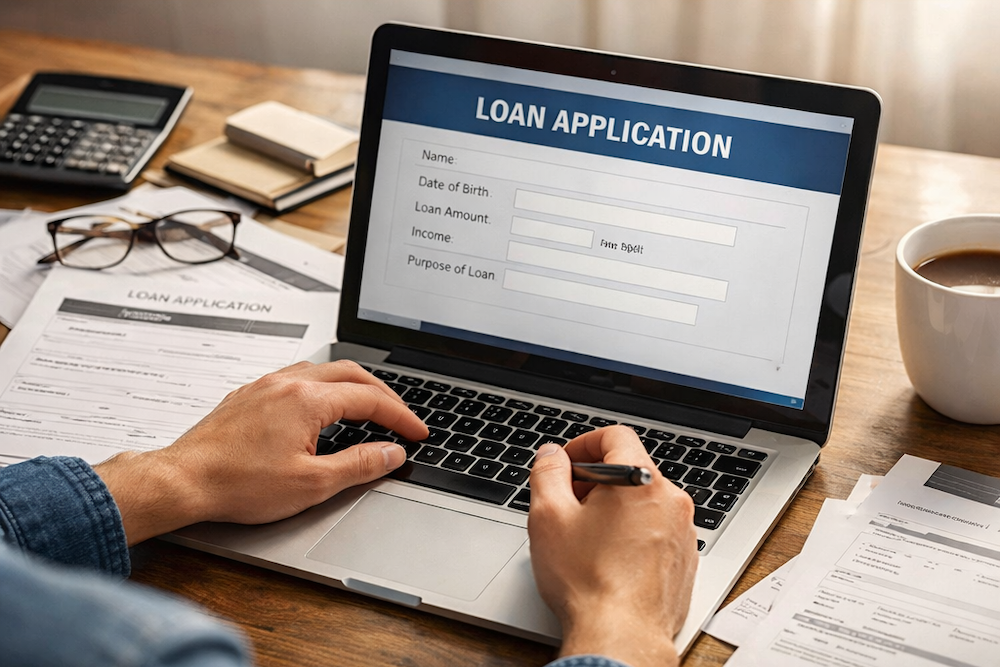
Getting approved for a personal loan can feel like an uphill battle when you’re working with a modest income or less-than-perfect credit. Traditional lenders often set high bars that leave many qualified borrowers feeling shut out of the financial system. However, the lending landscape has evolved dramatically in recent years, thanks to digital transformation and fintech innovation.
Today’s borrowers have more options than ever before, from online lenders who use alternative data to evaluate applications to credit unions that prioritize member relationships over rigid credit scores. Understanding how modern lenders assess risk and knowing which strategies can strengthen your application will significantly improve your chances of securing the funding you need. This guide will walk you through practical steps to qualify for a personal loan, even when your financial profile doesn’t fit the traditional mold.
Understanding Your Loan Eligibility Options
The personal loan market has undergone a significant shift in recent years. Traditional banks no longer hold a monopoly on lending decisions. Online lenders, credit unions, and fintech companies now offer diverse pathways to funding. These alternative lenders often take a more holistic approach to evaluating borrowers. They look beyond your credit score to assess your overall financial picture.
Your eligibility depends on several interconnected factors. Lenders examine your debt-to-income ratio, employment stability, and payment history. They also consider your banking behavior and spending patterns. Some innovative lenders even analyze your education level and professional credentials. This multi-dimensional approach opens doors for borrowers who might struggle with traditional applications. The key is finding lenders whose evaluation criteria align with your financial strengths.
Credit unions deserve special attention in this landscape. These member-owned institutions often provide more flexible terms than commercial banks. They may approve loans for members with average credit scores in the 580-669 range. Many credit unions offer credit-builder loans specifically designed to help members improve their financial standing. Building a relationship with a credit union before you need a loan can pay dividends when application time arrives.
Exploring Alternative Lending Platforms
The fintech revolution has democratized access to personal loans. Companies like Upstart and LendingClub use artificial intelligence to evaluate loan applications. These platforms consider factors that traditional lenders ignore. Your educational background, employment field, and even your rent payment history can strengthen your application. This technology-driven approach has helped thousands of borrowers access credit they couldn’t obtain through conventional channels.
Peer-to-peer lending platforms offer another viable option. These marketplaces connect individual investors with borrowers seeking funds. The approval process typically moves faster than traditional bank loans. Investors on these platforms often accept higher risk in exchange for better returns. This dynamic can work in your favor if you can demonstrate strong earning potential despite current income limitations.
Online lenders generally charge higher interest rates than traditional banks. However, they provide accessibility that many borrowers desperately need. The application process usually takes minutes rather than days. You can compare multiple offers without impacting your credit score through soft inquiries. This efficiency represents a major advantage for time-sensitive financial needs.
How Lenders Evaluate Non-Traditional Borrowers
Modern lenders have moved beyond simple credit score cutoffs. They now employ sophisticated algorithms that analyze hundreds of data points. Your banking transactions reveal patterns that numbers alone cannot capture. Consistent deposits suggest stable employment. Regular savings contributions demonstrate financial discipline. These behavioral signals carry weight in the approval process.
Income verification has also evolved in the digital age. Gig economy workers and freelancers once struggled to prove their earnings. Now, many lenders accept bank statements, tax returns, and payment platform records as documentation. Some fintech companies even integrate directly with platforms like PayPal or Venmo. This flexibility acknowledges the changing nature of work in America. It levels the playing field for non-traditional earners.
Regulatory changes have influenced how lenders assess risk. The Consumer Financial Protection Bureau has pushed for more inclusive lending practices. These regulations encourage lenders to consider alternative data sources. They also require clearer disclosure of loan terms and costs. As a borrower, you benefit from increased transparency and more diverse evaluation methods.
Strengthening Your Application Strategy
Preparation makes a substantial difference in loan approval odds. Start by checking your credit reports from all three major bureaus. You’re entitled to free annual reports through AnnualCreditReport.com. Dispute any errors you find immediately. Even small corrections can boost your score by several points. This simple step costs nothing but can save you thousands in interest.
Consider applying with a co-signer if your income or credit falls short. A co-signer with stronger finances essentially vouches for your ability to repay. This arrangement reduces the lender’s risk substantially. Many lenders become more flexible on terms when a qualified co-signer joins the application. Just remember that your co-signer assumes full responsibility if you default.
Demonstrating financial improvement trends also helps your case. Lenders appreciate borrowers who show upward trajectory. Have you increased your income recently? Did you pay off a credit card? These positive changes signal responsible financial management. Document these improvements in your application. Provide context that explains your current situation and future prospects.
Managing Expectations and Loan Terms
Borrowers with average credit or lower income should expect higher interest rates. Lenders charge more to offset perceived risk. Annual percentage rates might range from 12% to 36% depending on your profile. While these rates seem steep, they’re often lower than credit card rates. They also beat payday loans by a wide margin.
Loan amounts may start smaller than you’d prefer. Many lenders begin with modest amounts for first-time borrowers. Successfully repaying this initial loan builds trust. You can then qualify for larger amounts with better terms. Think of your first loan as an investment in your financial future. It establishes a positive track record with the lender.
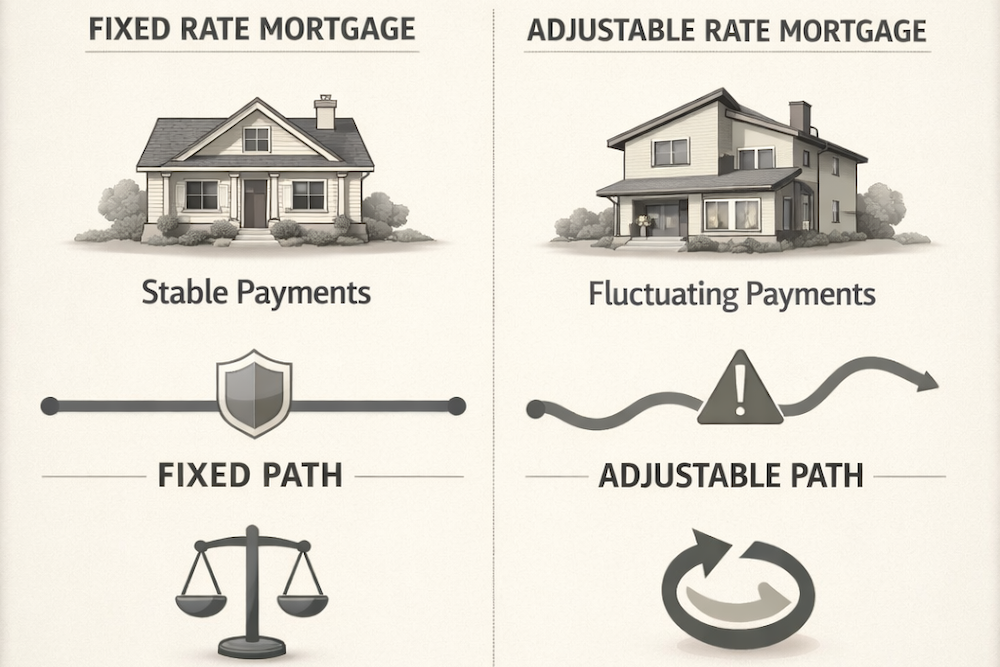
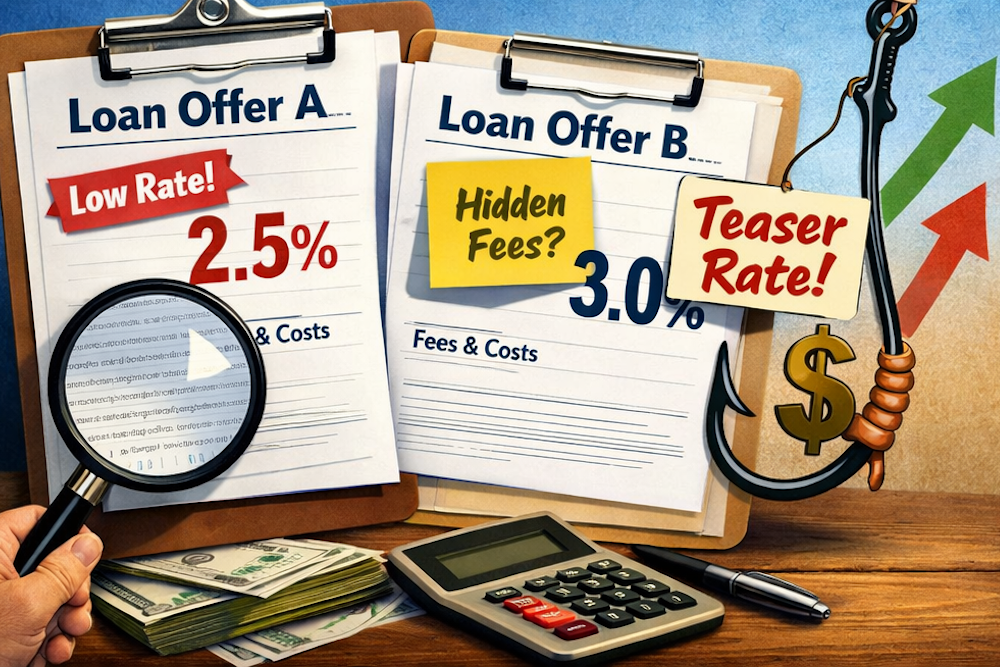
Read all terms carefully before accepting any loan offer. Some lenders charge origination fees that reduce your actual funding. Others impose prepayment penalties that trap you in expensive debt. Watch for variable interest rates that could increase your payments. Understanding these details protects you from unpleasant surprises down the road.
Qualifying for a personal loan with low income or average credit requires strategy, but it’s entirely achievable in today’s diverse lending environment. The digital transformation of financial services has created opportunities that simply didn’t exist a decade ago. Fintech innovation, regulatory improvements, and alternative data evaluation have opened doors for millions of Americans who deserve access to fair credit.
Your success depends on understanding how modern lenders think, preparing a strong application, and choosing the right lending partner for your situation. Take time to research your options thoroughly. Compare offers from multiple lenders to find the best terms available. Remember that your first loan at less-than-ideal terms can be a stepping stone to better financial opportunities. Each on-time payment strengthens your credit profile and improves your future borrowing power. With persistence and smart decision-making, you can secure the funding you need while building a stronger financial foundation for the years ahead.
References
- “How to Get a Personal Loan With Bad Credit” – NerdWallet (https://www.nerdwallet.com/article/loans/personal-loans/personal-loans-bad-credit)
- “Best Personal Loans for Fair Credit of 2024” – Investopedia (https://www.investopedia.com/best-personal-loans-for-fair-credit-7371535)
- “What Credit Score Do You Need for a Personal Loan?” – Experian (https://www.experian.com/blogs/ask-experian/what-credit-score-do-you-need-for-a-personal-loan/)
Getting approved for a personal loan can feel like an uphill battle when you’re working with a modest income or less-than-perfect credit. Traditional lenders often set high bars that leave many qualified borrowers feeling shut out of the financial system. However, the lending landscape has evolved dramatically in recent years, thanks to digital transformation and fintech innovation.
Today’s borrowers have more options than ever before, from online lenders who use alternative data to evaluate applications to credit unions that prioritize member relationships over rigid credit scores. Understanding how modern lenders assess risk and knowing which strategies can strengthen your application will significantly improve your chances of securing the funding you need. This guide will walk you through practical steps to qualify for a personal loan, even when your financial profile doesn’t fit the traditional mold.
Understanding Your Loan Eligibility Options
The personal loan market has undergone a significant shift in recent years. Traditional banks no longer hold a monopoly on lending decisions. Online lenders, credit unions, and fintech companies now offer diverse pathways to funding. These alternative lenders often take a more holistic approach to evaluating borrowers. They look beyond your credit score to assess your overall financial picture.
Your eligibility depends on several interconnected factors. Lenders examine your debt-to-income ratio, employment stability, and payment history. They also consider your banking behavior and spending patterns. Some innovative lenders even analyze your education level and professional credentials. This multi-dimensional approach opens doors for borrowers who might struggle with traditional applications. The key is finding lenders whose evaluation criteria align with your financial strengths.
Credit unions deserve special attention in this landscape. These member-owned institutions often provide more flexible terms than commercial banks. They may approve loans for members with average credit scores in the 580-669 range. Many credit unions offer credit-builder loans specifically designed to help members improve their financial standing. Building a relationship with a credit union before you need a loan can pay dividends when application time arrives.
Exploring Alternative Lending Platforms
The fintech revolution has democratized access to personal loans. Companies like Upstart and LendingClub use artificial intelligence to evaluate loan applications. These platforms consider factors that traditional lenders ignore. Your educational background, employment field, and even your rent payment history can strengthen your application. This technology-driven approach has helped thousands of borrowers access credit they couldn’t obtain through conventional channels.
Peer-to-peer lending platforms offer another viable option. These marketplaces connect individual investors with borrowers seeking funds. The approval process typically moves faster than traditional bank loans. Investors on these platforms often accept higher risk in exchange for better returns. This dynamic can work in your favor if you can demonstrate strong earning potential despite current income limitations.
Online lenders generally charge higher interest rates than traditional banks. However, they provide accessibility that many borrowers desperately need. The application process usually takes minutes rather than days. You can compare multiple offers without impacting your credit score through soft inquiries. This efficiency represents a major advantage for time-sensitive financial needs.
How Lenders Evaluate Non-Traditional Borrowers
Modern lenders have moved beyond simple credit score cutoffs. They now employ sophisticated algorithms that analyze hundreds of data points. Your banking transactions reveal patterns that numbers alone cannot capture. Consistent deposits suggest stable employment. Regular savings contributions demonstrate financial discipline. These behavioral signals carry weight in the approval process.
Income verification has also evolved in the digital age. Gig economy workers and freelancers once struggled to prove their earnings. Now, many lenders accept bank statements, tax returns, and payment platform records as documentation. Some fintech companies even integrate directly with platforms like PayPal or Venmo. This flexibility acknowledges the changing nature of work in America. It levels the playing field for non-traditional earners.
Regulatory changes have influenced how lenders assess risk. The Consumer Financial Protection Bureau has pushed for more inclusive lending practices. These regulations encourage lenders to consider alternative data sources. They also require clearer disclosure of loan terms and costs. As a borrower, you benefit from increased transparency and more diverse evaluation methods.
Strengthening Your Application Strategy
Preparation makes a substantial difference in loan approval odds. Start by checking your credit reports from all three major bureaus. You’re entitled to free annual reports through AnnualCreditReport.com. Dispute any errors you find immediately. Even small corrections can boost your score by several points. This simple step costs nothing but can save you thousands in interest.
Consider applying with a co-signer if your income or credit falls short. A co-signer with stronger finances essentially vouches for your ability to repay. This arrangement reduces the lender’s risk substantially. Many lenders become more flexible on terms when a qualified co-signer joins the application. Just remember that your co-signer assumes full responsibility if you default.
Demonstrating financial improvement trends also helps your case. Lenders appreciate borrowers who show upward trajectory. Have you increased your income recently? Did you pay off a credit card? These positive changes signal responsible financial management. Document these improvements in your application. Provide context that explains your current situation and future prospects.
Managing Expectations and Loan Terms
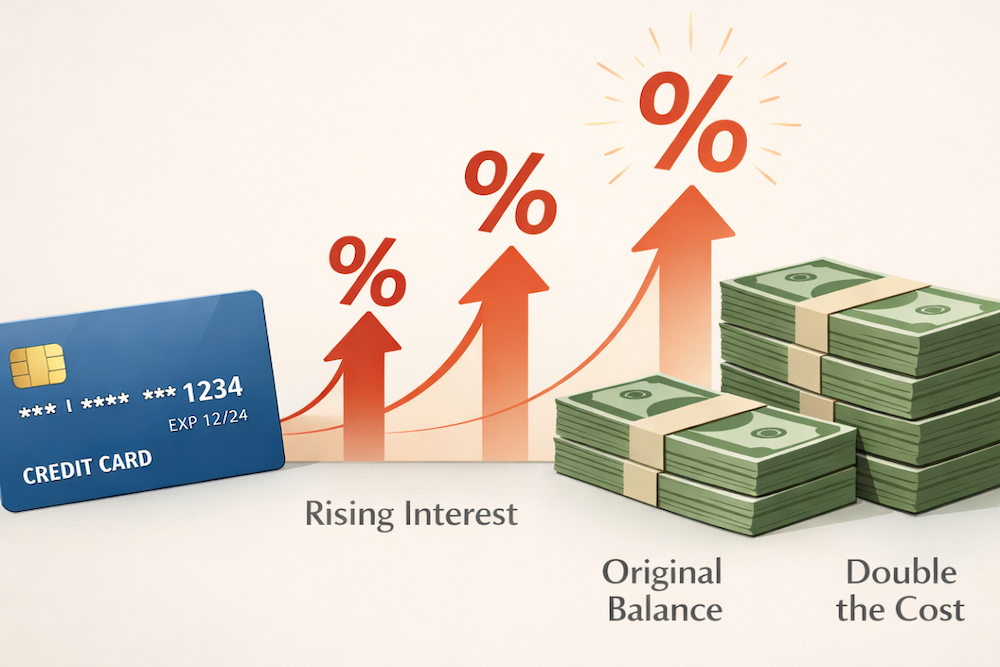
Borrowers with average credit or lower income should expect higher interest rates. Lenders charge more to offset perceived risk. Annual percentage rates might range from 12% to 36% depending on your profile. While these rates seem steep, they’re often lower than credit card rates. They also beat payday loans by a wide margin.
Loan amounts may start smaller than you’d prefer. Many lenders begin with modest amounts for first-time borrowers. Successfully repaying this initial loan builds trust. You can then qualify for larger amounts with better terms. Think of your first loan as an investment in your financial future. It establishes a positive track record with the lender.
Read all terms carefully before accepting any loan offer. Some lenders charge origination fees that reduce your actual funding. Others impose prepayment penalties that trap you in expensive debt. Watch for variable interest rates that could increase your payments. Understanding these details protects you from unpleasant surprises down the road.
Qualifying for a personal loan with low income or average credit requires strategy, but it’s entirely achievable in today’s diverse lending environment. The digital transformation of financial services has created opportunities that simply didn’t exist a decade ago. Fintech innovation, regulatory improvements, and alternative data evaluation have opened doors for millions of Americans who deserve access to fair credit.
Your success depends on understanding how modern lenders think, preparing a strong application, and choosing the right lending partner for your situation. Take time to research your options thoroughly. Compare offers from multiple lenders to find the best terms available. Remember that your first loan at less-than-ideal terms can be a stepping stone to better financial opportunities. Each on-time payment strengthens your credit profile and improves your future borrowing power. With persistence and smart decision-making, you can secure the funding you need while building a stronger financial foundation for the years ahead.
References
- “How to Get a Personal Loan With Bad Credit” – NerdWallet (https://www.nerdwallet.com/article/loans/personal-loans/personal-loans-bad-credit)
- “Best Personal Loans for Fair Credit of 2024” – Investopedia (https://www.investopedia.com/best-personal-loans-for-fair-credit-7371535)
- “What Credit Score Do You Need for a Personal Loan?” – Experian (https://www.experian.com/blogs/ask-experian/what-credit-score-do-you-need-for-a-personal-loan/)

)